Ghana's traditional ceremonies mark the important milestones in life, from birth to death. These sacred rituals connect us to our ancestors, affirm our identity, and strengthen community bonds.
Throughout history, Ghanaian communities have marked life's significant transitions with elaborate ceremonies and rituals. These rites of passage serve as bridges between generations, ensuring that cultural values, wisdom, and traditions are passed down. From the moment a child is named to the final farewell at a funeral, each ceremony carries deep spiritual and social meaning.
Each ceremony carries centuries of history, spiritual significance, and cultural identity

The naming ceremony, known as "outdooring" among the Akan, is one of Ghana's most cherished traditions. On the eighth day after birth (for girls) or ninth day (for boys), the child is officially introduced to the community and given their name.
Ancient traditions held that a child who survived the first week was considered blessed by the ancestors. The ceremony involves prayers, libations to the ancestors, and sometimes the first haircut. The name often reflects the day of the week the child was born or family heritage.
The naming ceremony marks the child's official entry into the community and connects them to their ancestors. It symbolizes protection, belonging, and the passing of cultural identity from one generation to the next.

Coming of age ceremonies among the Akan and Ga people mark a child's transition into adulthood. For girls, this is often called "Bragro" or "Puberty Rites," where young women are taught traditional values, cooking, and household management.
Historically, these rites prepared young people for marriage and adult responsibilities. The ceremonies involve seclusion, teachings from elder women, and the learning of cultural songs and dances. Today, they have been adapted but still hold important cultural value.
Coming of age rites teach young people their cultural heritage and prepare them for adult responsibilities. They reinforce community values, respect for elders, and the importance of cultural preservation.
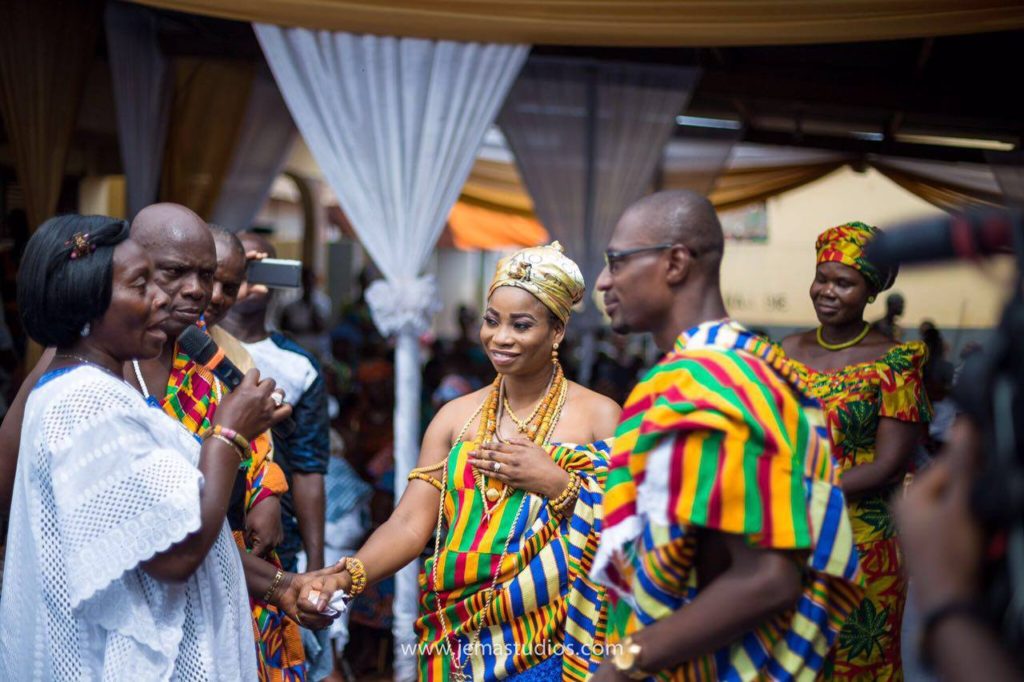
Traditional Ghanaian marriage is a rich ceremony that varies across ethnic groups but shares common elements. The process begins with the introduction (knocking) ceremony, followed by the engagement and the main wedding celebration.
Among the Akan, the "Kookoo" (dowry) is presented to the bride's family. Traditional attire, drumming, dancing, and symbolic rituals mark the union. The ceremony connects two families, not just two individuals, and involves ancestral blessings.
Traditional marriage strengthens family bonds and community ties. It ensures cultural continuity by joining families and creating new connections that preserve heritage through generations.

Funerals in Ghana are among the most important cultural ceremonies, viewed as a transition to ancestorhood rather than an end. The Akan believe the dead become "saman" (ancestors) who continue to watch over the living.
Funeral preparations include washing the body, dressing in white, and elaborate ceremonies that can last several days. The "bidding" (waking) involves drumming, dancing, and celebrating the life of the deceased. Libations are poured to welcome ancestral spirits.
Funeral rites honor the deceased and ensure their peaceful transition to ancestorhood. They bring communities together, reinforce family bonds, and keep alive the memory of those who have passed.
Ceremonies that mark spiritual and cultural milestones in Ghanaian life
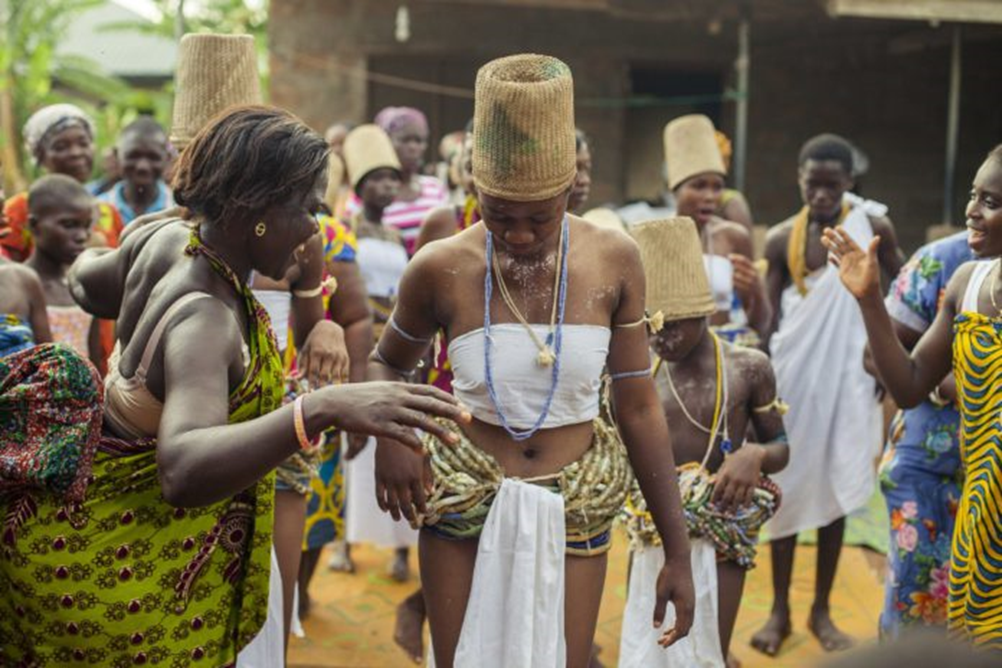
The Dipo is a traditional Akan ceremony where grandparents or elders formally introduce their grandchildren to the ancestors. This blessing connects the child to the family's spiritual lineage and invokes protection from ancestral spirits.
During this ceremony, the elder pours libation and places the child's hands on traditional items, blessing them with wisdom, long life, and prosperity. It represents the passing of cultural knowledge from one generation to the next.

Among royal families and chiefs, stool naming ceremonies are significant events that connect rulers to their ancestral throne. When a new chief is enstooled, they receive a name that connects them to the lineage of previous rulers.
The ceremony involves ritual cleansing, prayers to the ancestors, and the presentation of sacred regalia. The chief's "stool name" carries spiritual authority and represents their duty to uphold the traditions of their ancestors.
The hair shaving ceremony, common among the Ga and Akan, typically occurs when a child reaches a certain age or after a significant life event. It represents a fresh start and the shedding of the old.
Often performed by a grandparent or respected elder, the ceremony involves shaving the child's hair while prayers are said for their wellbeing, success, and protection. The first hair is sometimes preserved as a keepsake.