The rhythmic heartbeat of our culture - where movement tells stories and dance preserves heritage
Each dance style carries centuries of history, spiritual significance, and cultural identity

Origin: Over 400 years | Region: Ashanti, Central, Eastern Ghana
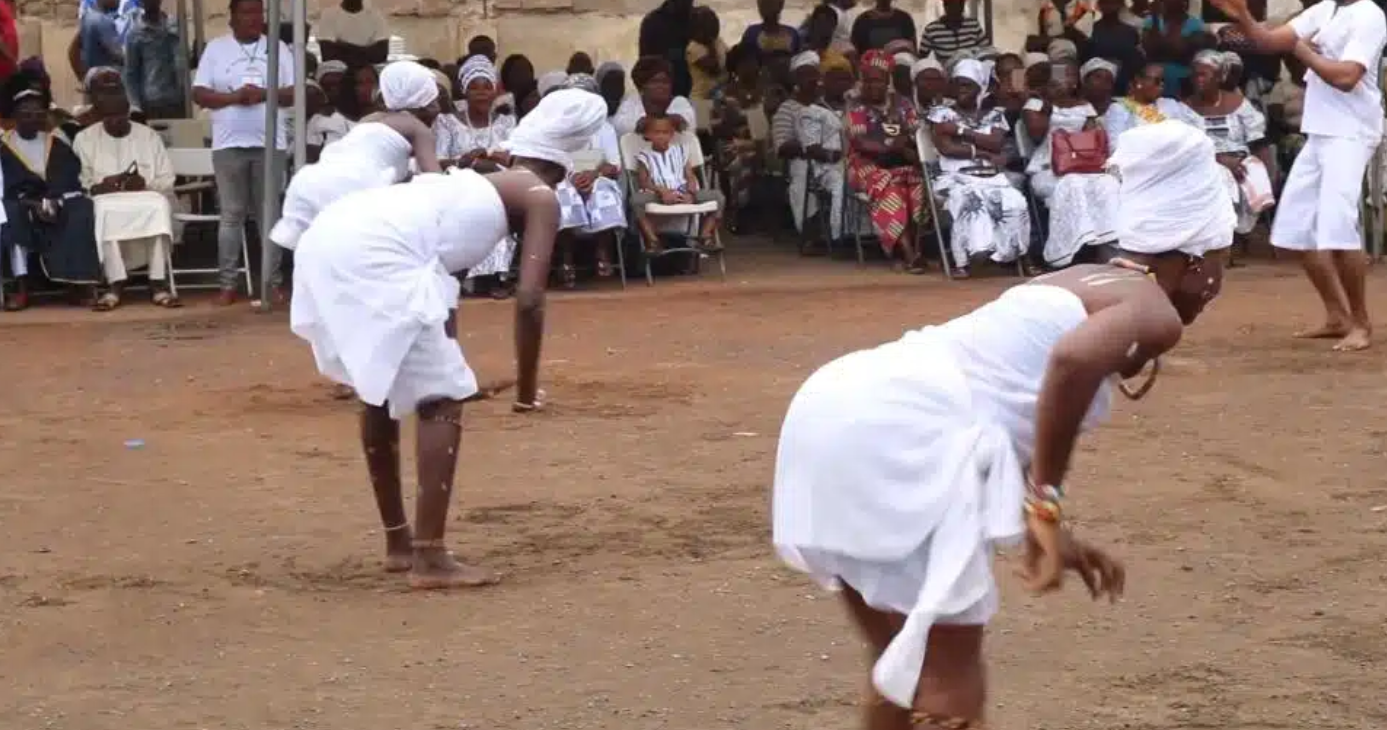
The Adowa dance is one of Ghana's most treasured traditional dances, originating from the Akan people centuries ago. It is traditionally performed by women during important ceremonies, funerals, and religious rituals. The dance communicates with ancestral spirits and honors the dead.
The slow, elegant movements express grief, respect, and commemoration. Dancers wear black and white attire symbolizing mourning, while the rhythmic drumming creates a solemn atmosphere.
Adowa represents the Akan's deep connection to their ancestors. It serves as a unifying force during cultural celebrations.
Origin: Over 300 years | Region: Greater Accra
The Kpanlogo dance originated among the Ga people of Ghana and is traditionally performed by young men as a rite of passage into adulthood. This energetic dance was historically associated with the Ga's warrior traditions.
The dance is characterized by vigorous movements, foot stomping, and synchronized drumming. Dancers perform in colorful attire with elaborate headdresses, moving in formation to complex drum patterns.
Kpanlogo represents Ga youth, energy, and community spirit. It showcases the Ga people's ability to adapt ancient traditions to modern celebrations.

Origin: Over 500 years | Region: Volta Region
The Agbadza dance originates from the Ewe people of Ghana and Togo, with roots tracing back to ancient warrior traditions. Originally, Agbadza was a war dance performed by soldiers before battle.
The dance features fierce movements, sharp rhythmic footwork, and powerful gestures that simulate combat. After the era of warfare ended, the dance transformed into a symbol of peace and reconciliation.
Agbadza embodies the Ewe's historical resilience and their ability to transform warrior traditions into expressions of peace.
Origin: Over 400 years | Region: Northern Ghana
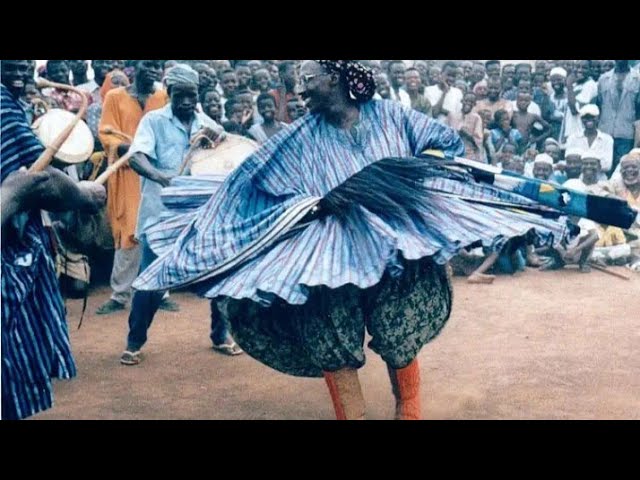
The Damba dance originates from the Dagbon Kingdom in Northern Ghana and is associated with the annual Damba festival celebrating the birth of the Prophet Mohammed.
gait symbolizing the royal horseThe Damba dance represents the spiritual connection between Dagbon's traditional religion and Islam.

Origin: Over 300 years | Region: Northern Ghana
The Bamaya dance originates from the Mole-Dagbani people of Northern Ghana and is traditionally performed during the annual Damba festival. Known as the "dance of the drums."
The dance features intricate footwork, fast rhythmic movements, and colorful costumes. Each movement tells a story of the people's connection to the land and ancestors.
Bamaya celebrates the agricultural heritage and communal spirit of Northern Ghana.
Origin: Over 200 years | Region: Eastern Ghana
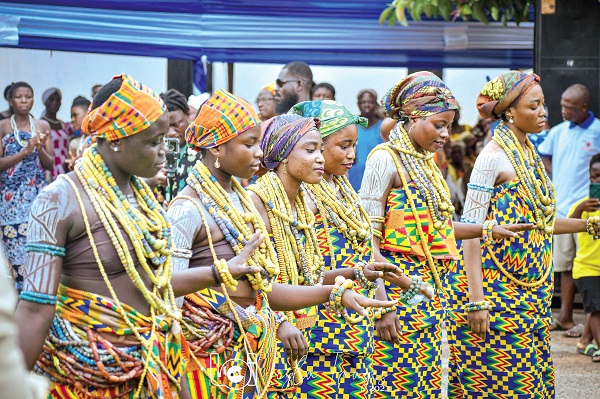
Klama is an ancient, sacred folk dance and music indigenous to the Krobo people (and other Dangme sub-tribes) of Ghana, traditionally performed during the Dipo (puberty rite) to mark the transition of young women into adulthood.
It involves specific hand, foot, and body movements, serving as a social, historical, and cultural rite that showcases maturity, grace, and cultural identity
Klama preserves the Krobo people's heritage and traditions.
Instruments that have carried Ghanaian stories, rhythms, and spiritual traditions through generations

Origin: Centuries old | Region: Throughout Ghana
The talking drum is one of Africa's most sophisticated instruments. Used for centuries to communicate across vast distances, this drum can mimic the tonal patterns of human speech by adjusting the tension on its strings while playing.
Ancient communities relied on talking drums to transmit messages between villages, announce important events, and preserve historical accounts. Today, it remains central to traditional music, preserving oral traditions.
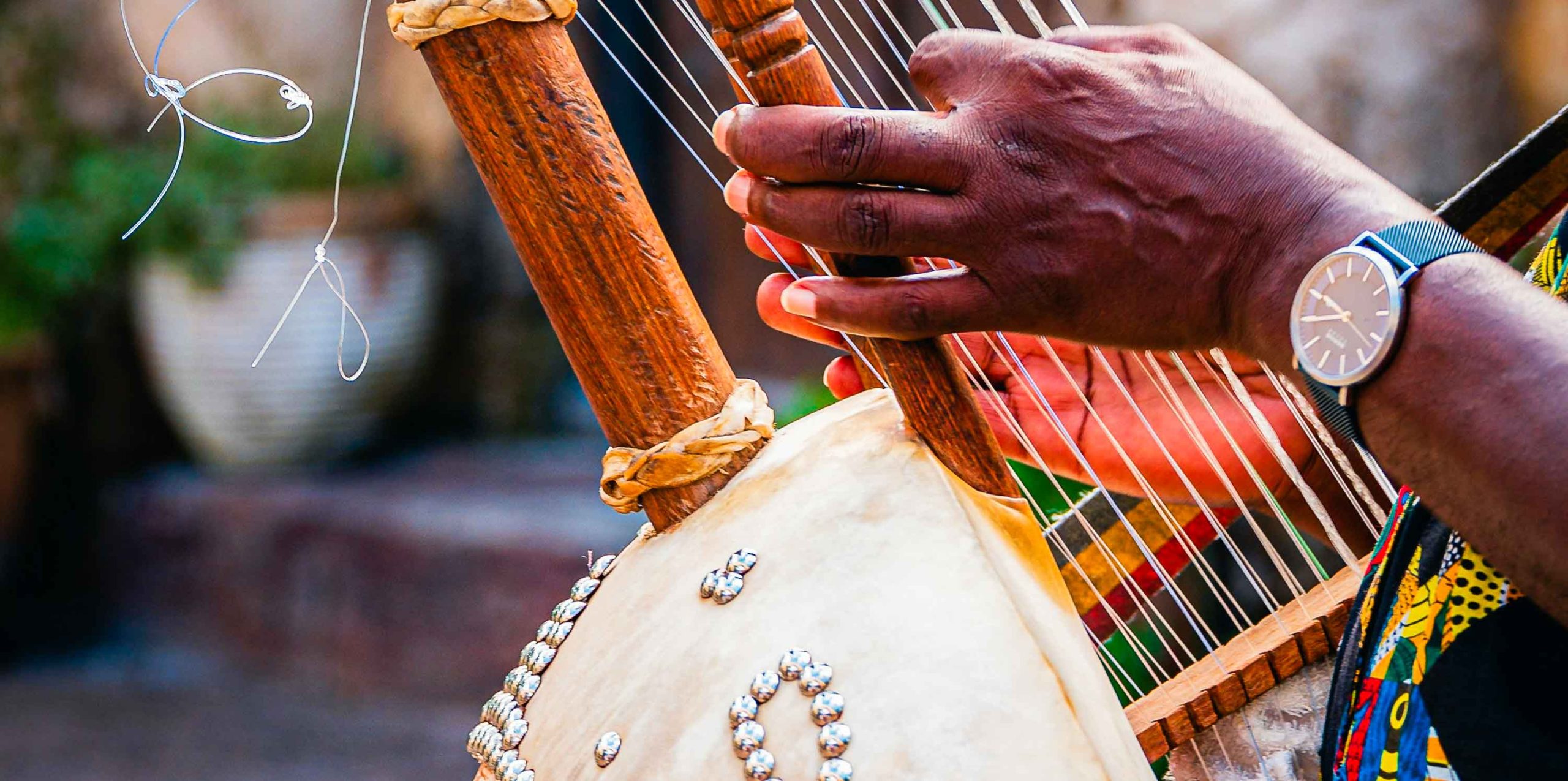
Origin: Ancient Mandé kingdoms | Region: Northern Ghana
The Kora is a beautiful West African harp-lute made from a halved gourd with strings traditionally made from fishing line. Its origins trace back to ancient Mandé kingdoms, played exclusively by Griots (oral historians).
Griots would accompany their narratives with the Kora's soft, melodic sounds, creating an immersive storytelling experience. The ethereal sounds connect listeners to centuries of oral tradition.

Origin: Centuries old | Region: Northern & Volta Regions
The Balafon is a wooden xylophone consisting of wooden bars of varying sizes suspended over gourd resonators. Its origins in Ghana date back centuries, with evidence suggesting similar instruments in ancient West African kingdoms.
Played during religious ceremonies, harvest festivals, and royal court events, different notes carried spiritual meanings and could invoke ancestral spirits.
The Balafon's melodic tones bring joy to celebrations and connect communities to their spiritual heritage.

Origin: Ancient tradition | Region: Ashanti & Volta Regions
Fontomfrom are prestigious royal drums used in the courts of Ghanaian chiefs and kings. These instruments have ancient origins in Akan and Ewe traditions, serving as symbols of authority for royalty.
Only master drummers appointed by the king could play Fontomfrom. The drums announced the arrival of royalty, commanded attention at court, and communicated royal decrees.
Fontomfrom represent the rich royal heritage of Ghana—symbols of chieftaincy and cultural authority.
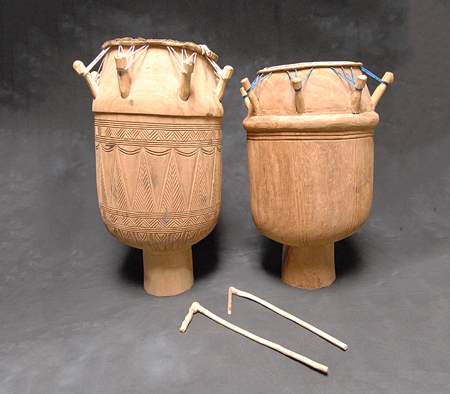
Origin: Centuries old | Region: Ashanti & Central Regions
Atumpan are twin drums used by the Akan people, with origins dating back centuries. These paired instruments work together to create complex rhythmic patterns and convey detailed messages.
In ancient Akan society, Atumpan drummers were highly respected, serving as intermediaries between chiefs and their subjects. They could announce deaths, call meetings, and tell stories of ancestors.
Atumpan drums are the voice of the Akan people—announcing important events and preserving historical narratives.
Ghanaian traditional dances are living expressions of our cultural identity. They connect us to our ancestors, unite our communities, and celebrate our heritage. When we preserve and practice these ancient dance forms, we honor our roots and strengthen our national pride.