The clothing that tells our story


The elegant long robe worn by Ghanaian men for formal occasions, traditionally paired with a matching cap (fillet or kofi cap). Known as "Grand Dress" in Ghanaian parlance, this attire draws from Mande influences from Mali and Senegal through the ancient trade routes. The flowing fabric symbolizes dignity and respect. Modern variations incorporate Kente patterns on the collar and cuffs, blending traditional craftsmanship with contemporary fashion.
Formal Wear

The most common traditional attire for Ghanaian women, consisting of a tailored top (Kaba) paired with a wrapped skirt (Slit). This style originated from the Akan people and evolved through colonial influence, combining African fabrics with European tailoring techniques. Today, the Kaba and Slit comes in endless variations — from simple everyday wear to elaborate designs featuring embroidery, beads, and matching head ties. The head tie (Gele) is often styled in complex arrangements that can take years to master.
Akan RegionsHand-embroidered excellence from Northern Ghana, worn with pride at ceremonies and celebrations.
The Northern Ghana smock, known as "Dagne" among the Dagara and "Woko" among the Mamprusi, is one of the most distinctive traditional garments in Ghana. Unlike Kente, which is woven, the smock is carefully embroidered by hand using cotton or silk threads, with intricate geometric patterns that tell stories of the wearer's family, clan, and social status.
History traces the smock to the ancient Kingdoms of Dagbon, where it was worn exclusively by royalty and warriors. Over centuries, the garment spread to the Dagara, Mamprusi, Dagomba, and other Northern ethnic groups, each developing their own unique embroidery styles.
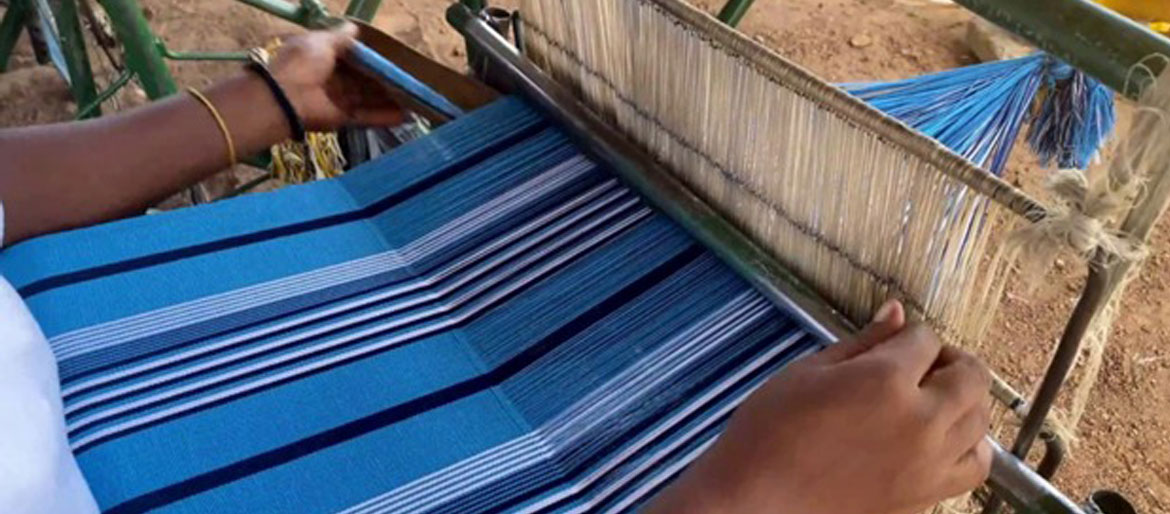

Kente is more than just a pattern — it is a visual language. Originally woven exclusively for Asante kings and queens, Kente was a symbol of royalty, spiritual significance, and divine protection. The art of Kente weaving traces back to the ancient Ashanti Kingdom, where master weavers were highly honored and their craft was considered sacred.
Each woven design has a name and meaning passed down through generations. "Sika Fre Mogya" (gold catches blood) represents blood relationships and the importance of family bonds. "Owusu" signifies the matriarchal lineage central to Akan society. "Owo Foro Adobe" (the eagle flies to the royal stool) represents ambition and the pursuit of excellence.
Each of Ghana's diverse ethnic groups has its own distinctive traditional attire, reflecting unique histories and cultural identities.

The Ewe people of Volta Region are known for their distinctive "Wovuvi" or "Amedure" cloth — hand-woven cotton with intricate patterns. The Ewe have maintained some of the most complex weaving traditions in Ghana, with patterns passed down through matrilineal lines. Traditional Ewe dress includes the "kpakpo" wrapper for women and the "wokpoko" for men, often featuring symbolic geometric patterns representing proverbs and historical events.
Volta Region
The Ga people of Greater Accra Region have unique attire including the "kete" — a hand-woven cloth traditionally worn by Ga women for important ceremonies. The Kete features bold geometric patterns in red, yellow, and black. Ga men traditionally wear the "flingo" or white shirt with woven smock. The famous "Odung" crown, decorated with beads and cowrie shells, is worn by Ga chiefs and is a powerful symbol of Ga royal authority.
Greater AccraThe Dagomba people of Northern Region are known for their elaborate chief's attire, including the "Bokku" (royal hat) and heavily beaded regalia. The "Tohazhie" is a distinctive long woven shirt worn by Dagomba men, often decorated with intricate patterns. Women wear colorful wrappers with matching tops, and both genders use the "Kprekuma" or head tie. The Dagomba chiefs' regalia features extensive beadwork, indicating rank and status within the kingdom.
Northern RegionThe Fante people of Central Region have their own Kente traditions, with patterns distinct from Asante designs. "Fante Kente" often features more abstract patterns and brighter color combinations. The famous "Abrafo" (warriors) wore distinctive red and black attire, while Fante chiefs wore elaborate Kente with gold ornamentation. Fante women traditionally wear the "Oyokoman" cloth — a deep green and red pattern symbolizing the Fante's connection to the sea and their maritime heritage.
Central Region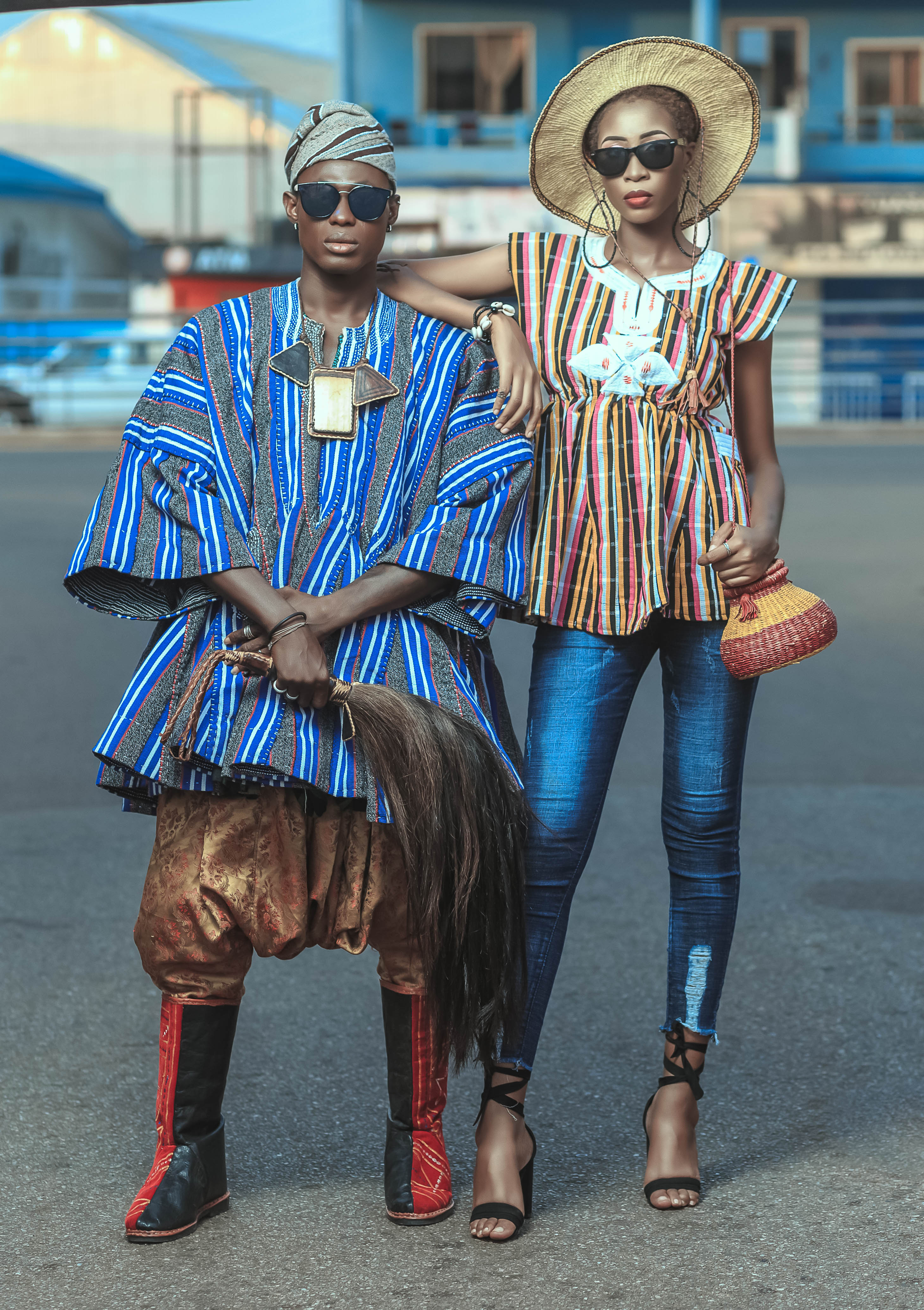
The Mole-Dagbon people of Northern Region, including the Dagara and Mamprusi, are known for their distinctive woven smocks. The intricate embroidery on these garments tells stories of the wearer's clan and family history. Chiefs and royal guards wear elaborate leather caps and patterned wrappers with cowrie shell decorations. Women's dress includes colorful wrappers with embroidered tops, often featuring traditional symbols of fertility and prosperity.
Upper EastToday's Ghanaian fashion blends traditional elements with contemporary styles, creating a unique expression of cultural pride that reaches global audiences.

Modern clothing designs using African wax prints have revolutionized Ghanaian fashion. Young designers create stunning contemporary pieces — from crop tops and jumpsuits to tailored suits — all featuring vibrant Ankara patterns.

Kente-inspired bags, shoes, jewelry, and phone cases bring traditional patterns to everyday fashion. Ghanaian artisans have expanded the use of Kente beyond cloth into luxury accessories.

Business casual wear incorporating traditional fabrics has become acceptable in Ghanaian workplaces. From Kente ties to Ankara shirts, professionals honor their heritage while maintaining corporate elegance.

Ghanaian designers like Christie Brown have gained international recognition blending Kente and other fabrics with contemporary silhouettes.

The art of tying head scarves (Gele) has evolved into a sophisticated skill. Tutorials on YouTube and Instagram teach thousands of women to create elaborate Gele styles.

Ghana's textile industry has grown significantly with local manufacturers producing high-quality wax prints. Brands like GTP and ATL create fabrics that compete with imported prints.